Ah, statins. They're practically a household name, prescribed more often than a friendly "hello" at the supermarket. For decades, they've been hailed as the knights in shining armor, bravely battling the dreaded dragon of "high cholesterol." But what if that dragon wasn't quite as terrifying as we've been led to believe, and our knights were occasionally, well, a bit clumsy with their swords?
Let's dive into the fascinating, and sometimes frankly amusing, world of cholesterol, statins, and why your brain might be sending out a distress signal louder than a teenager without Wi-Fi.
Before we villainize cholesterol, let's give it a little PR makeover. Far from being a mere clog in the pipe, cholesterol is an absolutely vital component of almost every cell in your body. It's the superstar of your cell membranes, the building block for hormones (like testosterone, estrogen, and cortisol), and it even helps you absorb Vitamin D from sunshine. Without it, we'd be, well, a bit of a mess. Think of it as the ultimate body-builder – not the beefy gym kind, but the cellular construction kind.
Statins: The Great Cholesterol Squishers (and Their Quirks)
Statins work by inhibiting an enzyme in your liver called HMG-CoA reductase. This enzyme is crucial for your body's natural cholesterol production. So, by hitting the brakes on this enzyme, statins effectively reduce the amount of cholesterol your body makes. Sounds simple, right? Like turning down the volume on a noisy neighbor.
However, like any powerful medication, statins come with a rather extensive list of potential side effects. Some are minor, others... not so much. While many people tolerate them well, a significant portion experience issues, sometimes leading to discontinuing the drug. And yes, there have been recalls over the years, like the withdrawal of Baycol (cerivastatin) in the early 2000s due to serious muscle side effects (rhabdomyolysis). It's a reminder that even approved medications can have unexpected plot twists.
Common Side Effects That Might Make You Say "Huh?":
- This is perhaps the most notorious. Imagine feeling like you've run a marathon, even when you've just walked to the fridge.
- Regular blood tests are often required to check liver enzymes, as statins can sometimes put a strain on this vital organ.
- Ah, now we're getting to the juicy bits. Feeling like you're constantly searching for words or forgetting why you walked into a room? More on this shortly.
- A bit of a head-scratcher, considering heart health and diabetes are often linked. Studies have shown statins can nudge some people towards pre-diabetes or full-blown type 2 diabetes.
- Nausea, diarrhea, constipation – the usual suspects for many medications.
Your Brain on Cholesterol: A Love Story
Here's where it gets truly fascinating, and perhaps a little concerning. Did you know your brain, that magnificent organ responsible for your brilliant thoughts (and occasional silly ones), is over 25% cholesterol by dry weight? Yes, 25%! It's practically a cholesterol connoisseur. Cholesterol is absolutely essential for:
- This is the fatty insulation around your nerve fibers, allowing electrical signals to zoom efficiently. Think of it as the high-speed internet cable for your thoughts.
- Cholesterol is critical for the junctions where neurons communicate. No cholesterol, no coherent chatter between your brain cells.
- It gives structure and fluidity to brain cell membranes.
So, when statins significantly reduce cholesterol production, what happens to the brain? It's like trying to build a magnificent mansion (your brain) but cutting off the supply of bricks (cholesterol). While your brain has its own cholesterol synthesis system, the idea of systemically reducing a substance so vital to its function raises significant questions about those memory and cognitive side effects. It’s not just a hunch; the correlation is increasingly discussed in medical literature.
ADVERTISEMENT

Nourish Your Mind: Support Brain Health for Overall Well-being
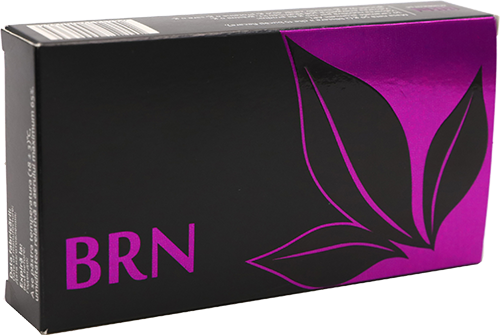
Unlock your brain's full potential with BRN by APLGO, a powerful wellness product designed to enhance cognitive clarity and overall brain health. While maintaining healthy cholesterol levels is a key part of holistic well-being, BRN focuses specifically on fortifying your brain, helping you navigate daily learning, thinking, and maintaining peak mental alertness. It also aids in managing mental stress and fostering a more positive outlook by reducing feelings of anxiousness and sadness, contributing to a body and mind working in harmony.BRN's unique blend of botanicals is carefully selected to support your brain's vitality. Key ingredients like Green Tea, Ginger Root, and Ginkgo are renowned for their antioxidant properties and potential to support circulation and cognitive function. Bilberry and Water Hyssop (Bacopa Monnieri) are traditionally used to enhance memory and learning, while Siberian Ginseng and Ashwagandha contribute to adaptogenic support, helping the body manage stress. Turmeric and Coffee provide additional cognitive benefits, making BRN a comprehensive solution for mental performance and focus delivered through convenient Acumullit SA® lozenge drops for efficient nutrient absorption.
Beyond the "Magic Number 100": LDL, HDL, and the Real Party
For years, we've been told to get our "bad" LDL cholesterol below a magic number, often 100 mg/dL. But here's the kicker: LDL (Low-Density Lipoprotein) isn't cholesterol itself; it's a tiny little vehicle that transports cholesterol around your body. Think of it as a bus. HDL (High-Density Lipoprotein) is another bus, typically bringing cholesterol back to the liver. The terms "good" and "bad" are massive oversimplifications.
What truly matters isn't just the total amount of "stuff" on the LDL bus (which is what LDL-C, the standard test, measures), but rather the and, crucially, the . Imagine traffic: a few big buses moving smoothly are far less problematic than a gazillion tiny, dense minibuses weaving erratically and causing pile-ups.
Small, dense LDL particles are like those annoying little cars that squeeze into every gap, causing more trouble and being more prone to oxidation and arterial plaque formation. Large, fluffy LDL particles are generally considered far less harmful.
So, focusing solely on getting LDL-C under 100 without looking at the particle size or number is a bit like obsessing over the total weight of luggage on an airline without caring if it's one suitcase or 50 tiny, easily lost handbags. Many experts now argue that the ratio of particles (like the LDL-P to HDL-P ratio) or even just LDL particle number itself, offers a much more accurate picture of cardiovascular risk than just a simple LDL-C value. It's about quality and quantity of particles, not just the quantity of cholesterol within them.
The Punchline (and a Serious Note)
While statins have undoubtedly saved lives and played a role in managing heart disease for many, it's clear they aren't a one-size-fits-all magic bullet. Our understanding of cholesterol and its role in health is evolving beyond simplistic "good vs. bad" narratives and arbitrary numerical cut-offs.
The next time you hear about cholesterol, remember it's not just a villain; it's a vital nutrient. And when discussing statins, consider the whole picture: the benefits, the potential risks, and the nuance of your unique lipid profile. Always have an open and curious conversation with your healthcare provider about what's truly best for your complex, wonderful, cholesterol-rich self.
